Home About Missions India Services Team News Contact Plan a Mission

Mission Portfolio

Three Missions.
One Sustained Presence.

From south-polar payload delivery to sample return and edge computing — ORBITBeyond's mission portfolio is engineered to establish permanent lunar infrastructure.

Lunar Mission OB-1
Mission 01

Lunar Mission OB-1

Payload Delivery · 2029
1,000kg
Payload Capacity
700W
Power to Payload
2Mbps
X-Band Data Rate
456hr
Surface Duration
Book Payload Space Payload User Guide ↓

Overview

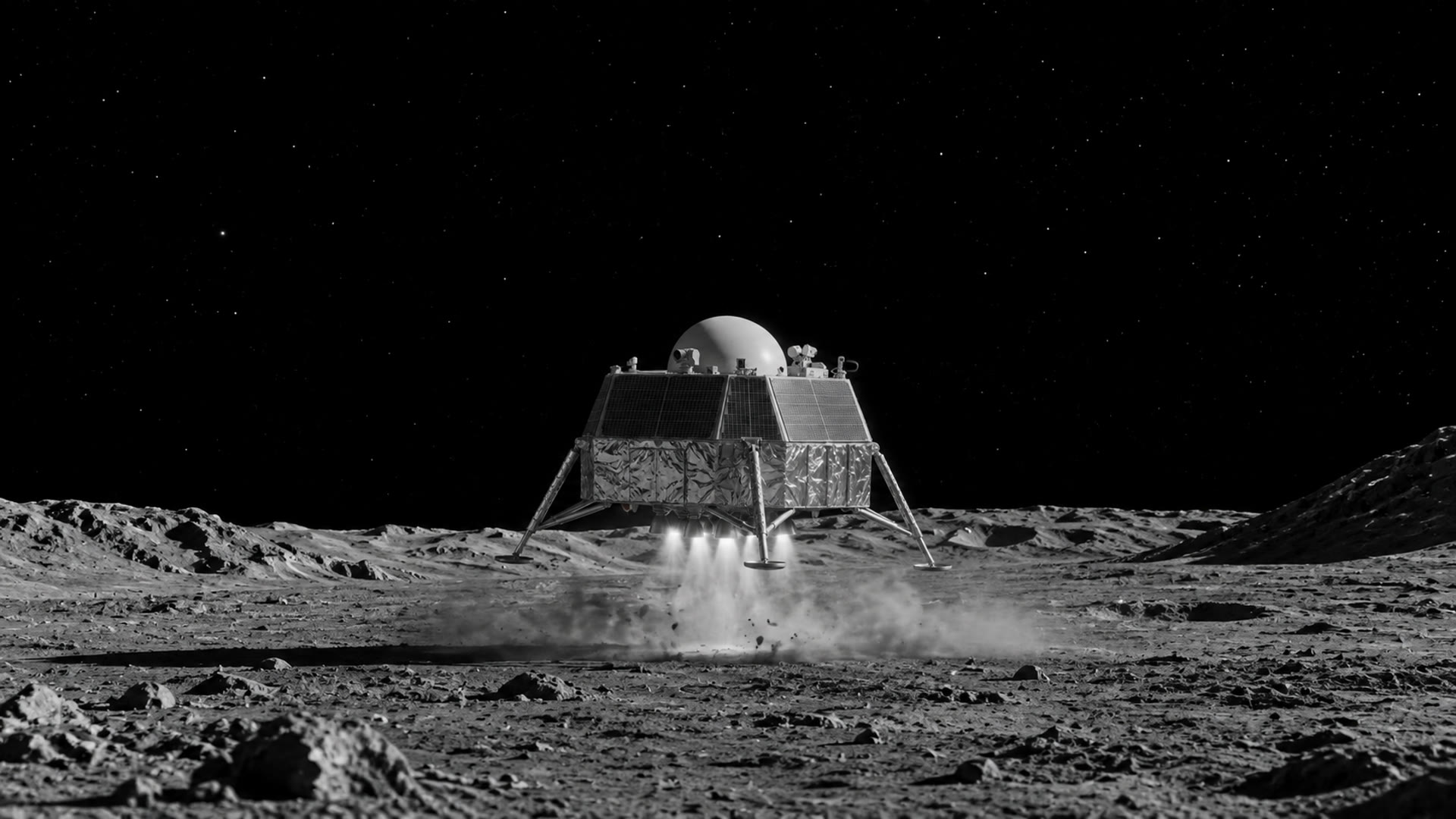
OB-1 is ORBITBeyond's inaugural south-polar lunar delivery mission. Designed to land scientific and commercial payloads at the lunar south pole — one of the most scientifically valuable and resource-rich locations on the Moon — OB-1 establishes the foundation for ORBITBeyond's growing mission cadence.

The mission leverages ORBITBeyond's Extensible Lunar Vehicle Platform, a precision lander designed for high-mass delivery and surface operations in permanently shadowed regions near the south pole.

Mission Objectives

Deliver up to 1,000 kg of payload to the lunar south-polar region with precision landing capability. Demonstrate end-to-end lunar transport service for commercial customers. Establish initial surface infrastructure nodes for follow-on missions.

Specifications

Landing TargetLunar South Pole
Target Launch2029
Mission TypePayload Delivery
Night Survival14-day lunar night
Lunar Mission OB-2
Mission 02

Lunar Mission OB-2

Sample Return · 2031
South
Pole
Sample Collection Site
2031
Target Launch
Sample Return
Mission Class — Commercial First
Express Interest Mission Planning

Overview

OB-2 is ORBITBeyond's sample-return mission, currently in development. Building on the delivery infrastructure established by OB-1, OB-2 will retrieve lunar samples from the south-polar region and return them to Earth — a mission class previously achieved only by national space agencies.

The ability to return samples opens an entirely new chapter for lunar science, enabling high-fidelity analysis of south-polar regolith, volatiles, and potential water-ice deposits in Earth-based laboratories.

Mission Objectives

Collect and return south-polar regolith and volatile samples to Earth. Enable detailed Earth-based analysis of potential water-ice and resource deposits. Demonstrate commercial end-to-end sample-return capability for future government and science partnerships.

Specifications

Mission TypeSample Return
Collection SiteLunar South Pole
Return VehicleAscent + Earth Return Stage
StatusIn Development
Lunar Edge Compute
Joint Venture

Lunar Edge Compute

Infrastructure · 2029
Edge AI
Primary Capability
14day
Night Survival
2029
Target Deployment
Joint
Venture
Commercial Partnership
Partner With Us Mission Planning

Overview

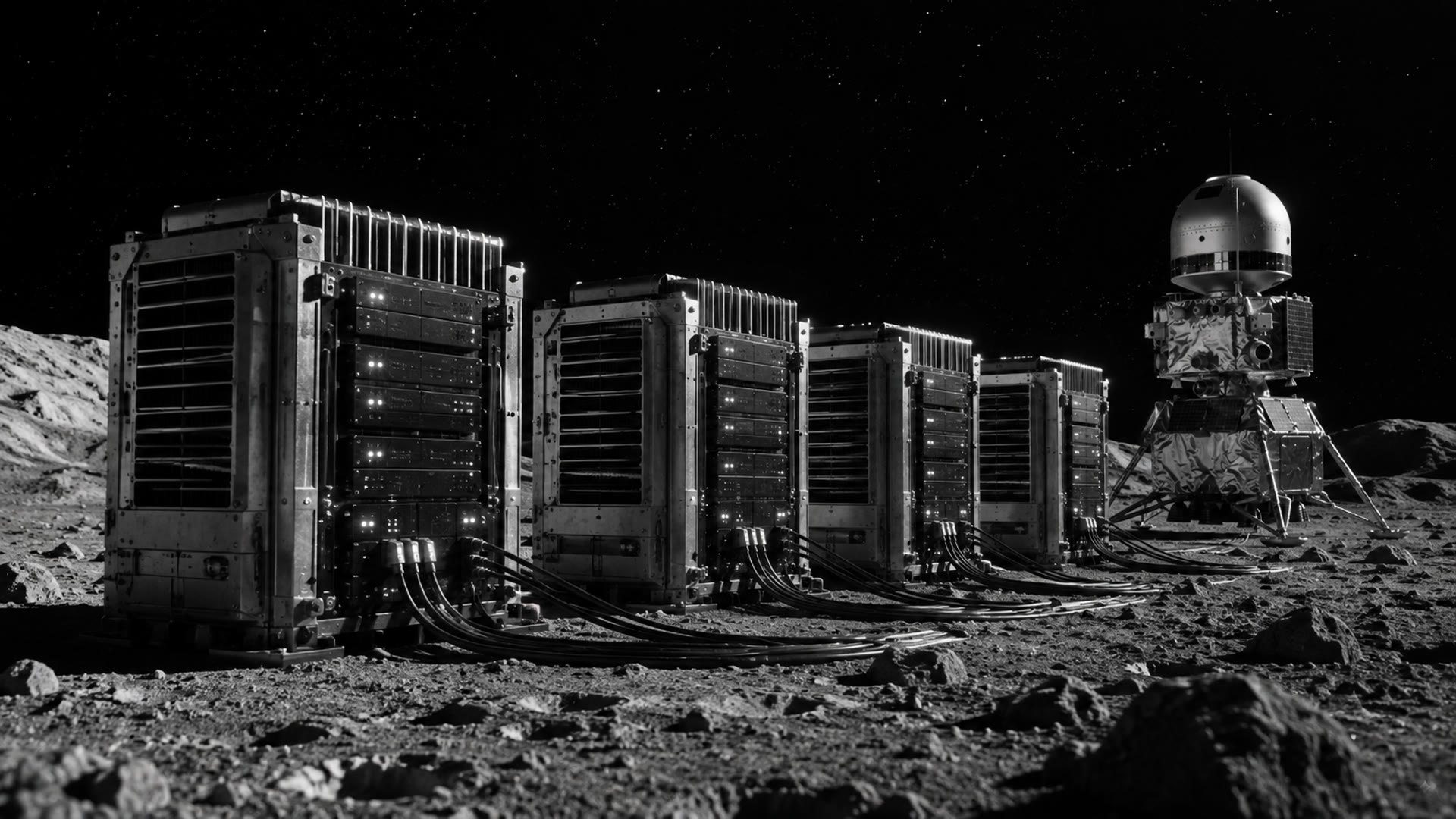
Lunar Edge Compute is a joint venture bringing high-performance computing infrastructure to the lunar surface. Co-developed with commercial partners, the initiative enables real-time data processing, AI inference, autonomous decision-making, and compute-intensive operations directly at the Moon — without the latency of routing data back to Earth.

This represents a fundamental shift in how lunar operations are managed: moving from Earth-dependent systems to autonomous, edge-native architectures capable of supporting the next generation of lunar robotic and human activities.

Capabilities

The Lunar Edge Compute platform supports AI inference workloads, sensor data processing, autonomous navigation, and multi-mission coordination. Operating throughout the lunar day, the system is designed for 14-day lunar night survival through the Tec Masters partnership.

Specifications

DeploymentLunar South Pole
Launch2029 (co-manifest with OB-1)
Night Operations14-day lunar night survival
StatusActive Development